
The Lingua Franca Core in the Classroom

What is the Lingua Franca Core? Why is this an important topic for teacher of English? How does it affect the teaching of pronunciation?
For decades, English pronunciation teaching followed a simple assumption: students should sound like native speakers.
But as English became the world’s global language, linguists and applied linguists began to question this idea. Today, most conversations in English happen between non-native speakers, not between native speakers.
This shift led to one of the most influential concepts in modern pronunciation teaching: The Lingua Franca Core (LFC).
If you teach English today — especially in communicative classrooms — understanding the Lingua Franca Core can transform how you approach pronunciation.
Let’s explore what it is, where it came from, and how teachers can apply it effectively from A1 to B2 levels.
What Is the Lingua Franca Core?

The Lingua Franca Core (LFC) is a set of pronunciation features that are essential for intelligibility in international communication.
In other words, it identifies the aspects of pronunciation that really matter for being understood when English is used as a global language.
The concept focuses on intelligibility rather than native-like accent.
That means the goal is not to sound American, British, Australian, or Canadian.
The goal is simple:
Be easily understood by other speakers of English around the world.
Who Proposed the Lingua Franca Core?
The Lingua Franca Core was proposed by linguist Jennifer Jenkins in the early 2000s.
Her research culminated in the influential book:
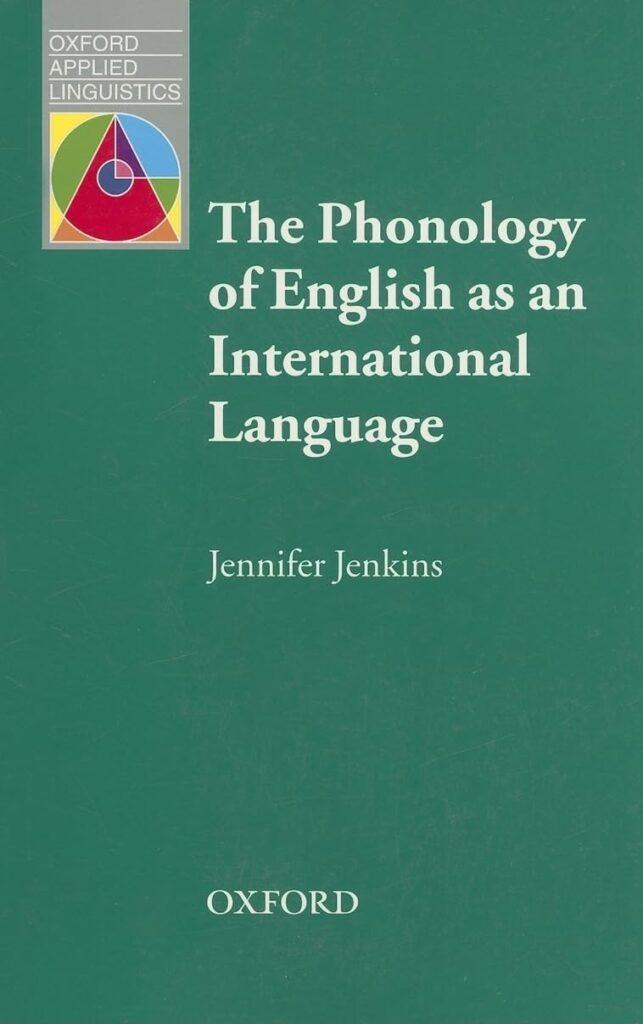
“The Phonology of English as an International Language” (2000).
Jenkins analyzed communication between non-native speakers and discovered something fascinating:
Many pronunciation features traditionally taught in ESL classrooms did not significantly affect intelligibility in international communication.
At the same time, other features were absolutely crucial for understanding.
This led to the development of the Lingua Franca Core, which identifies the pronunciation elements that teachers should prioritize.
Why the Lingua Franca Core Matters Today
English is no longer owned by native speakers.
Today, it functions primarily as a global lingua franca.
Research consistently shows that:
- Most English conversations worldwide occur between non-native speakers
- Communication success depends more on clarity than accent
- Many native-speaker pronunciation features are unnecessary for intelligibility
This insight changed how many specialists view pronunciation teaching.
Instead of aiming for native-like perfection, teachers can focus on high-impact pronunciation features.
This approach reduces student anxiety and leads to faster communicative confidence.
The Core Features of the Lingua Franca Core
According to Jenkins’ research, several pronunciation features are particularly important for intelligibility.
1. Most Consonant Sounds
Most consonants must be pronounced clearly.
However, the “th” sounds (/θ/ and /ð/) are not crucial.
Learners can replace them with /t/, /d/, or /s/ without major communication problems.
Example:
- think → tink
- this → dis
These substitutions rarely cause misunderstanding in international communication.
2. Consonant Clusters
Clusters such as:
- str
- spl
- mp
- nd
should be preserved whenever possible.
Deleting sounds inside clusters can make words difficult to understand.
Example:
Correct:
- next
- asked
Problematic:
- nex
- ask
3. Vowel Length Distinctions
Vowel length differences are crucial.
For example:
- ship vs sheep
- live vs leave
- full vs fool
If vowel length disappears, communication problems may arise.
4. Nuclear Stress (Sentence Focus)
Correct sentence stress plays a major role in intelligibility.
For example:
I wanted the RED one.
(not the blue one)
Misplaced stress can confuse listeners more than small pronunciation errors.
What the Lingua Franca Core Does NOT Prioritize
Interestingly, several traditional pronunciation topics are not essential for intelligibility in global communication.
These include:
- Weak forms
- Connected speech reductions
- Native-like rhythm patterns
- Perfect vowel quality
- Regional accent imitation
This doesn’t mean they are useless.
It simply means they are lower priority in communicative pronunciation teaching.
How the Lingua Franca Core Impacts Modern Teaching
The Lingua Franca Core shifted pronunciation teaching in three important ways:
1. From Accent to Intelligibility
Teachers now increasingly ask:
“Will this affect understanding?”
instead of
“Is this how a native speaker says it?”
2. Reduced Pronunciation Anxiety
Students no longer feel pressured to eliminate their accent.
Instead, they focus on clarity and communication.
3. More Efficient Teaching
Teachers can prioritize the pronunciation features that truly matter.
This leads to faster improvements in speaking confidence.
Practical Classroom Strategies (A1–B2)
Here are practical ways teachers can apply the Lingua Franca Core in real classrooms.
1. Focus on Clear Consonants
Practice consonants that commonly cause confusion:
Activities:
- minimal pair drills
- repetition drills
- shadowing exercises
Examples:
- rice / lice
- bet / vet
- cap / cab
2. Train Students to Keep Consonant Clusters
Use chunk-based drills:
Examples:
- next week
- first time
- last year
Have students repeat these chunks naturally.
3. Teach Vowel Length Through Meaning
Use contrast activities.
Examples:
ship / sheep
live / leave
full / fool
Students quickly understand that length changes meaning.
4. Practice Sentence Stress with Meaning
Teach focus stress.
Example:
I ordered the CHICKEN, not the fish.
Students repeat with different focus words.
This builds communicative pronunciation awareness.
5. Use Shadowing Activities
Shadowing helps students improve:
- rhythm
- stress
- clarity
Use short dialogues and chunks of language.
This aligns perfectly with communicative and lexical approaches.
A Balanced View for Teachers
The Lingua Franca Core does not mean teachers should ignore all traditional pronunciation teaching.
Instead, it encourages prioritization.
Teachers can:
- focus first on intelligibility
- later introduce accent refinement if needed
The key question becomes:
“Will this help my students communicate more clearly?”
If the answer is yes, teach it.
If not, it may not deserve priority.
Final Thoughts
The Lingua Franca Core reflects a simple reality:
English today is a global language used by millions of non-native speakers every day.
For teachers, this means pronunciation teaching should focus on communication, clarity, and intelligibility.
By prioritizing the most important pronunciation features, teachers help students gain confidence faster — without the unrealistic pressure of sounding like native speakers.
And in real-world communication, being understood is what truly matters.
